At a side event held alongside the 2026 World Bank-IMF Annual Meetings on 13 October, representatives of communities, civil society, governments, the World Bank and global health partners called for stronger community engagement, sustainable health financing and greater accountability in implementing the Health Works Initiative.
From consultation to co-creation: Making UHC truly universal
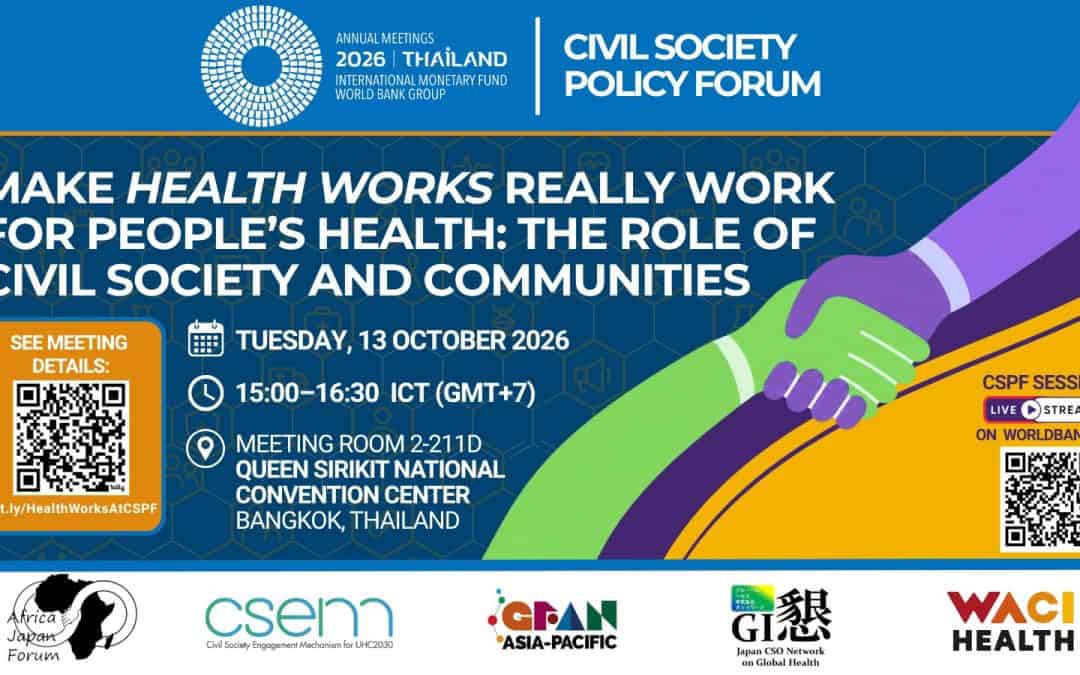
On 13 October 2026, civil society organisations, community representatives, government officials and global health partners gathered for a Civil Society Policy Forum (CSPF) side event “Make Health Works Really Work for People’s Health: The Role of Civil Society and Communities” to discuss how the Health Works Initiative can deliver equitable, sustainable and people-centred Universal Health Coverage (UHC).
The event, convened by Africa Japan Forum with WACI Health, CSEM for UHC2030, Japan CSO Network for just and Fair Finance for Sustainable Development, Japan CSO Network on Global Health, Global Fund Advocates Network Asia-Pacific (GFAN AP), provided an opportunity to examine progress in developing National Health Compacts, discuss the UHC Knowledge Hub and identify practical approaches to strengthening civil society and communities participation in national health financing reforms.
A central message emerged throughout the discussions: country ownership must extend beyond government leadership to include the meaningful participation of civil society and communities in shaping priorities, allocating resources, implementing reforms and monitoring results.
Progress on Health Works: Opportunities to strengthen civil society engagement
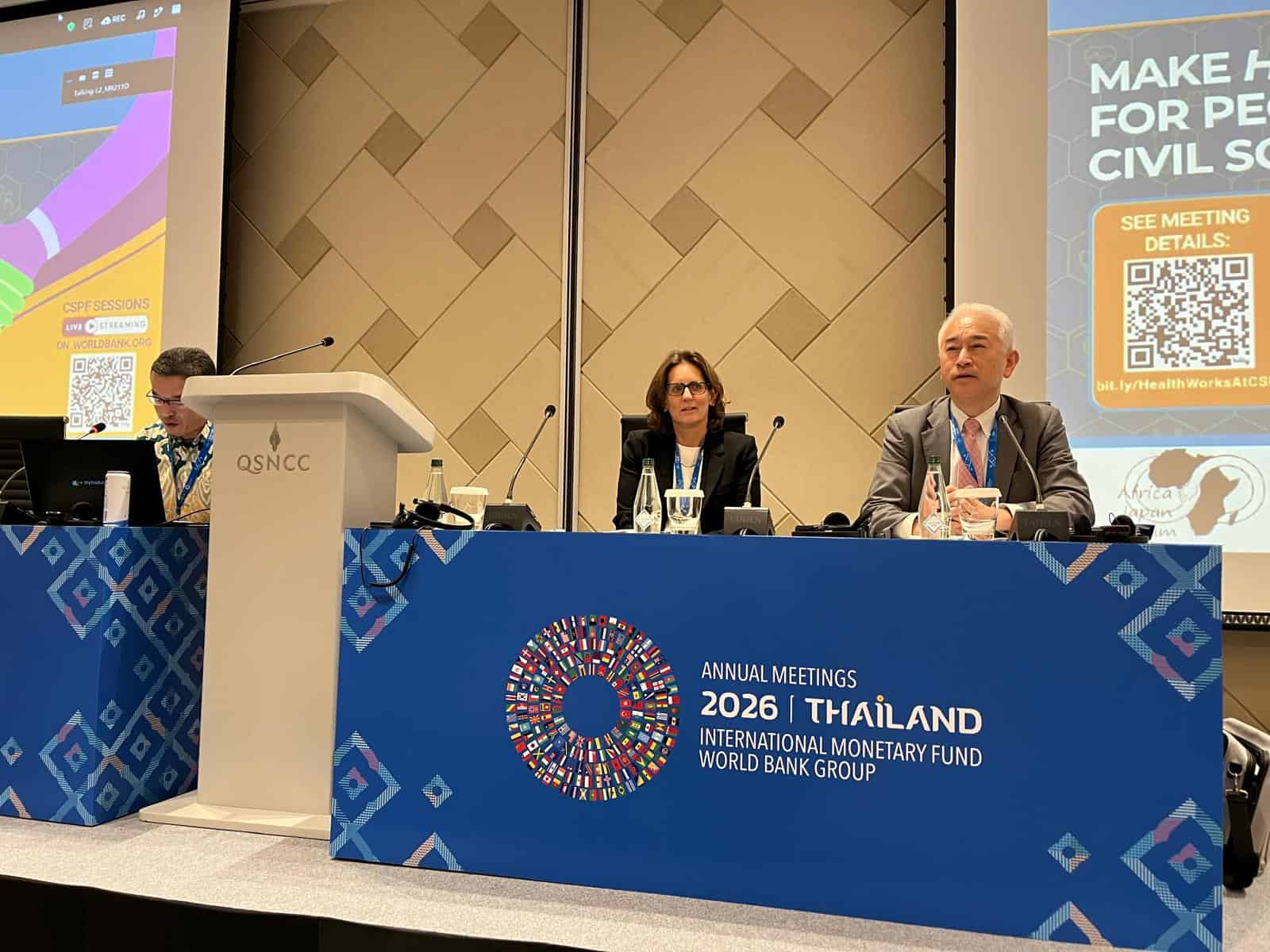
Mr Shuichi Hosada, Deputy Vice-Minister of Finance for International Affairs of the Ministry of Finance, Japan provided opening remarks and reinstated Japan’s commitment to Universal Health Coverage through the work of the UHC Knowledge Hub and welcomed the leadership of the partners in co-organising this important side event.
Representing the World Bank, Dr Monique Vledder, Director for Health and the Global Financing Facility (GFF), shared updates on the implementation of Health Works. She acknowledged that communities and civil society engagement had varied across the first 16 National Health Compacts.
While countries such as Kenya and Senegal demonstrated promising examples of participation, tight development timelines had limited meaningful engagement in several countries. Recognising these shortcomings, Dr Vledder welcomed civil society recommendations on improving participation in subsequent waves of National Health Compacts, including providing more time for inclusive country-level processes.
She also highlighted progress under the UHC Knowledge Hub, supported through collaboration involving the Government of Japan, the World Bank and the World Health Organisation (WHO). Following completion of the first cohort, a second cohort of countries has been selected, with preparations for further expansion underway.
The Knowledge Hub brings together officials from Ministries of Health and Finance to strengthen capacities for health financing reforms and domestic resource mobilisation. For communities and civil society, these developments present opportunities to ensure that technical reforms are accompanied by inclusive governance and meaningful community engagement.
Civil Society must be Partners, not merely participants
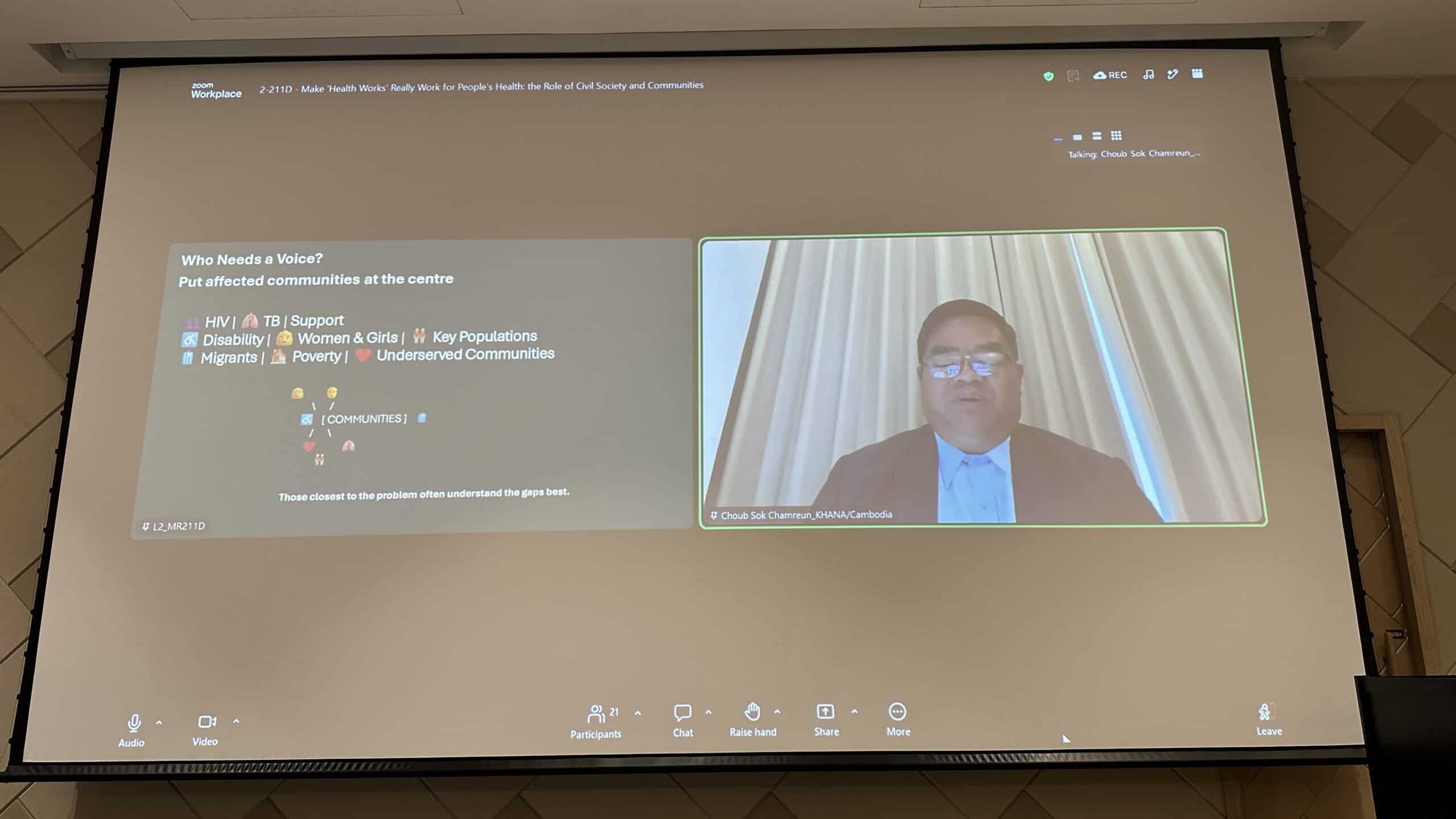
Choub Sok Chamreun, Executive Director, Khmer HIV/AIDS NGO Alliance (KHANA), Cambodia, emphasised that meaningful civil society and community engagement must go beyond attendance at meetings or participation in consultations. He stressed that communities must be involved from the outset in identifying priorities, designing National Health Compacts, determining resource allocations and monitoring implementation.
Drawing on experiences in Cambodia he highlighted the importance of including people living with HIV, people affected by tuberculosis, key populations, persons with disabilities, women, migrants and other underserved communities. These communities possess first-hand knowledge of barriers to healthcare, including stigma, discrimination, financial hardship and gaps in service delivery. His intervention underscored a fundamental principle:
“Nothing about community should be decided without community.”
He also emphasised that meaningful participation requires adequate financing, access to information, capacity strengthening and institutional spaces that allow diverse community voices to influence decisions.
Country-led must mean more than government-led
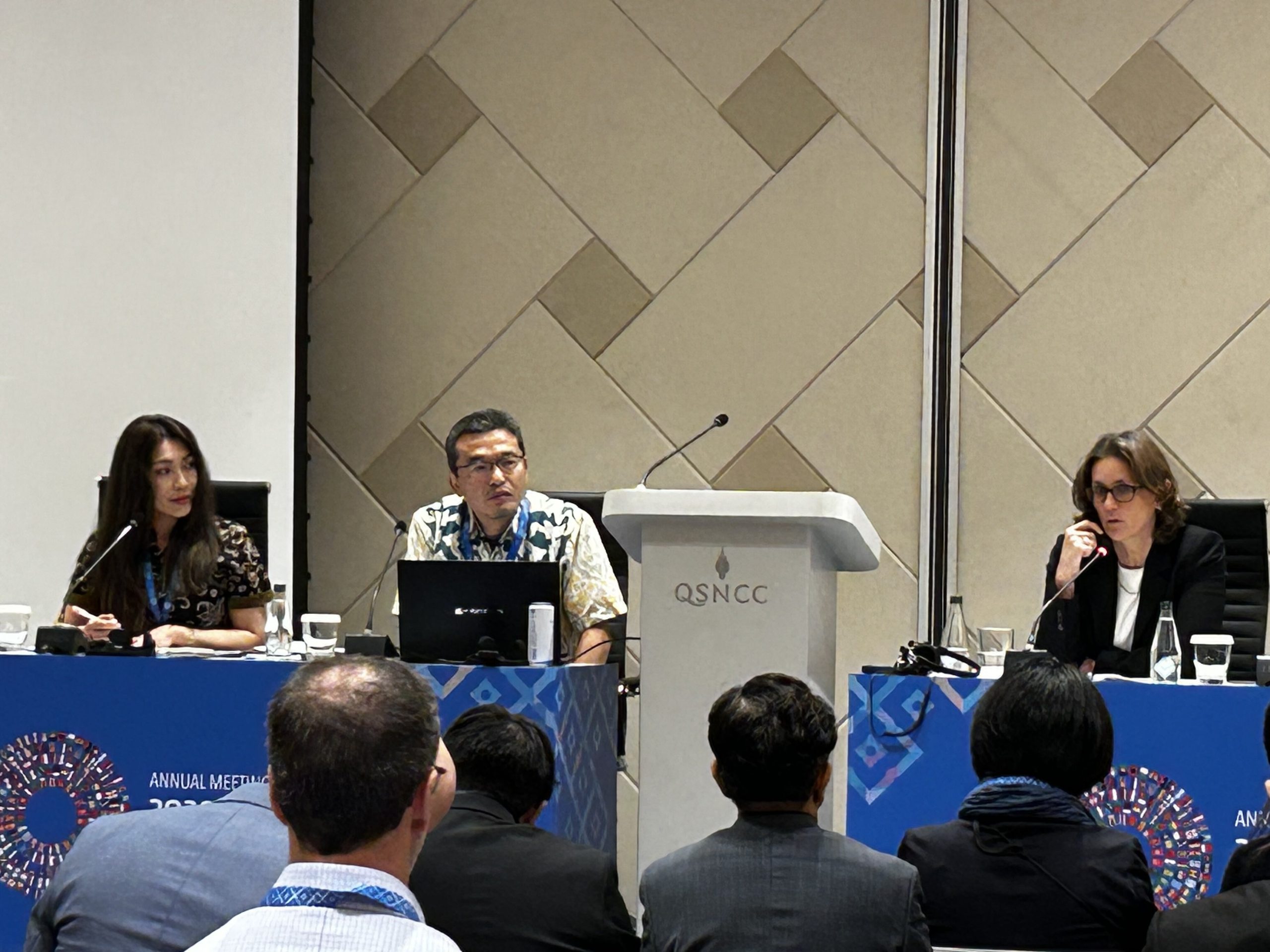
During the interactive discussion moderated by Rachel Ong, Regional Coordinator of GFAN AP, participants questioned how the National Health Compacts could become genuinely country-owned rather than primarily government-led. The discussions highlighted the importance of including parliamentarians, civil society organisations and affected communities alongside ministries of health and finance.
Dr Vledder acknowledged the distinction between government-led and country-led processes and recognised that greater time and more inclusive approaches would be needed to strengthen ownership in future compact development. She also explained the World Bank’s financing model, which operates through agreements with national governments, particularly ministries of finance. While the Bank advocates for civil society engagement, it does not generally provide direct financing to civil society organisations through its regular operations.
However, the GFF was highlighted as an important example of how dedicated financing can support local civil society participation and strengthen community voices in national health policy processes.
The discussion also raised concerns about the sustainability of community-led organisations, particularly those providing essential services to marginalised populations amid declining international development assistance.
At the end of the first interactive discussion, Rachel emphasised that the discussion reinforced the importance of ensuring that health systems strengthening must include community systems strengthening, with meaningful civil society and community engagement institutionalised to ensure sustained and true civil society engagement.
Liberia: Community ownership and domestic financing are essential
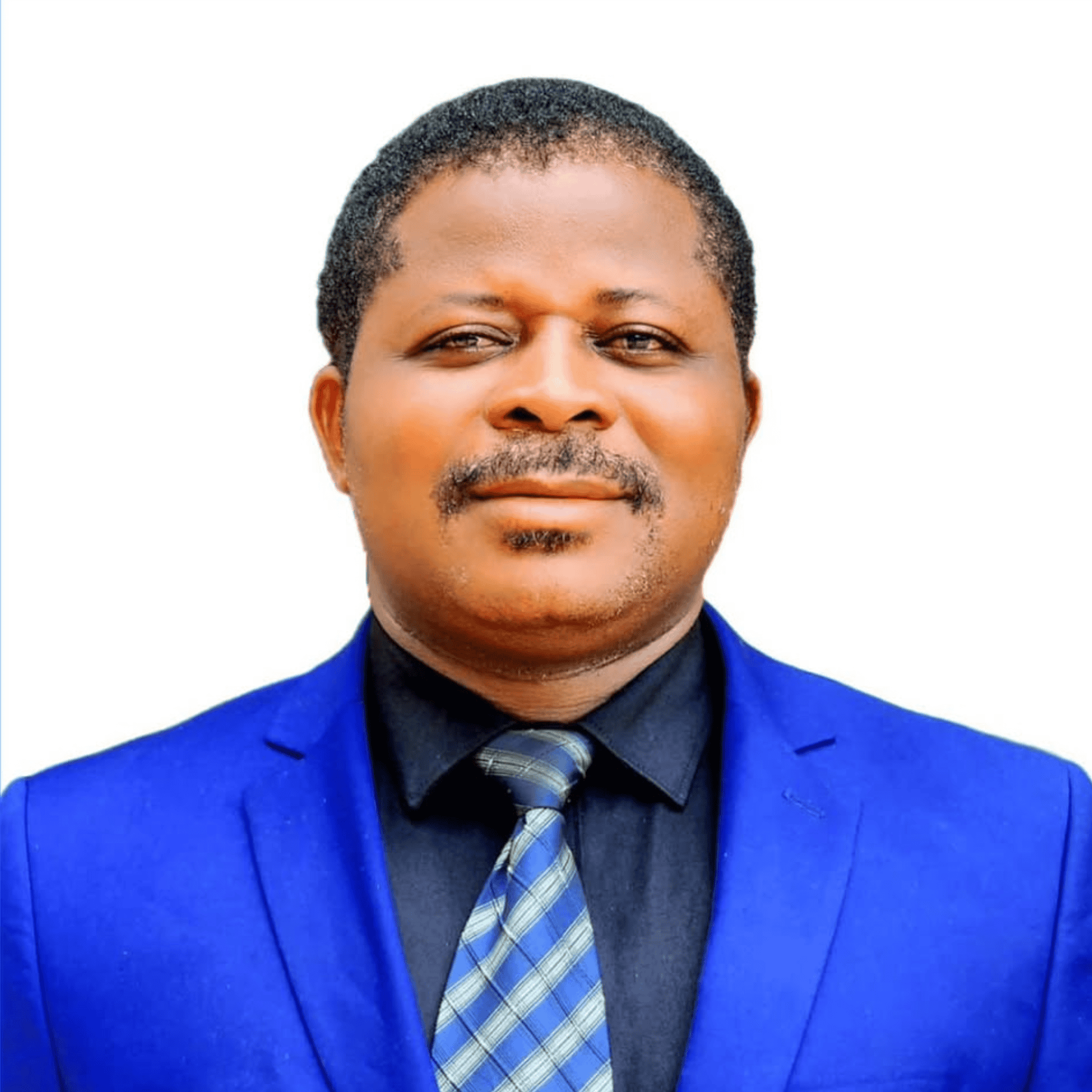
Representing the Government of Liberia, Deputy Minister of Health for Policy, Planning, Monitoring and Evaluation, Attorney Malaya Tamba Cheboe, shared Liberia’s experience in advancing UHC amid significant financing challenges. Despite progress in reducing maternal mortality and childhood stunting, Liberia continues to face substantial out-of-pocket health expenditures and has yet to meet the Abuja commitment to allocate 15% of the national budget to health. The Deputy Minister highlighted a proposed Liberia Health Equity Fund intended to mobilise and pool domestic resources while improving financial protection for vulnerable households.
Drawing on lessons from Liberia’s Ebola response, he emphasised that community trust, participation and ownership are indispensable to effective health interventions. He called for meaningful community engagement in priority-setting, benefit-package design, resource oversight and community-led monitoring. Liberia also identified opportunities for collaboration on developing a sustainable health workforce financing framework and strengthening accountability through country-owned National Health Compacts.
Financing must follow national priorities
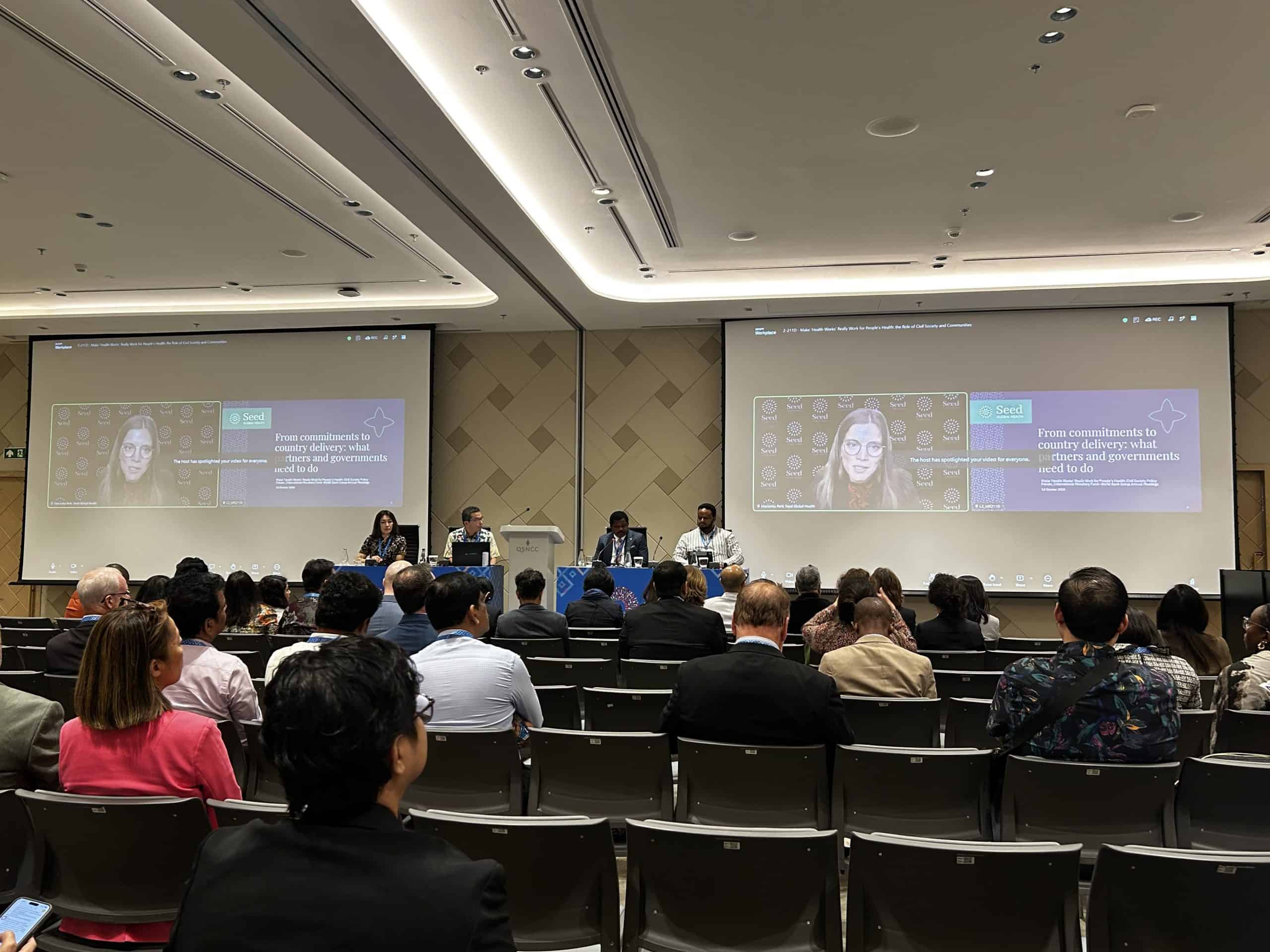
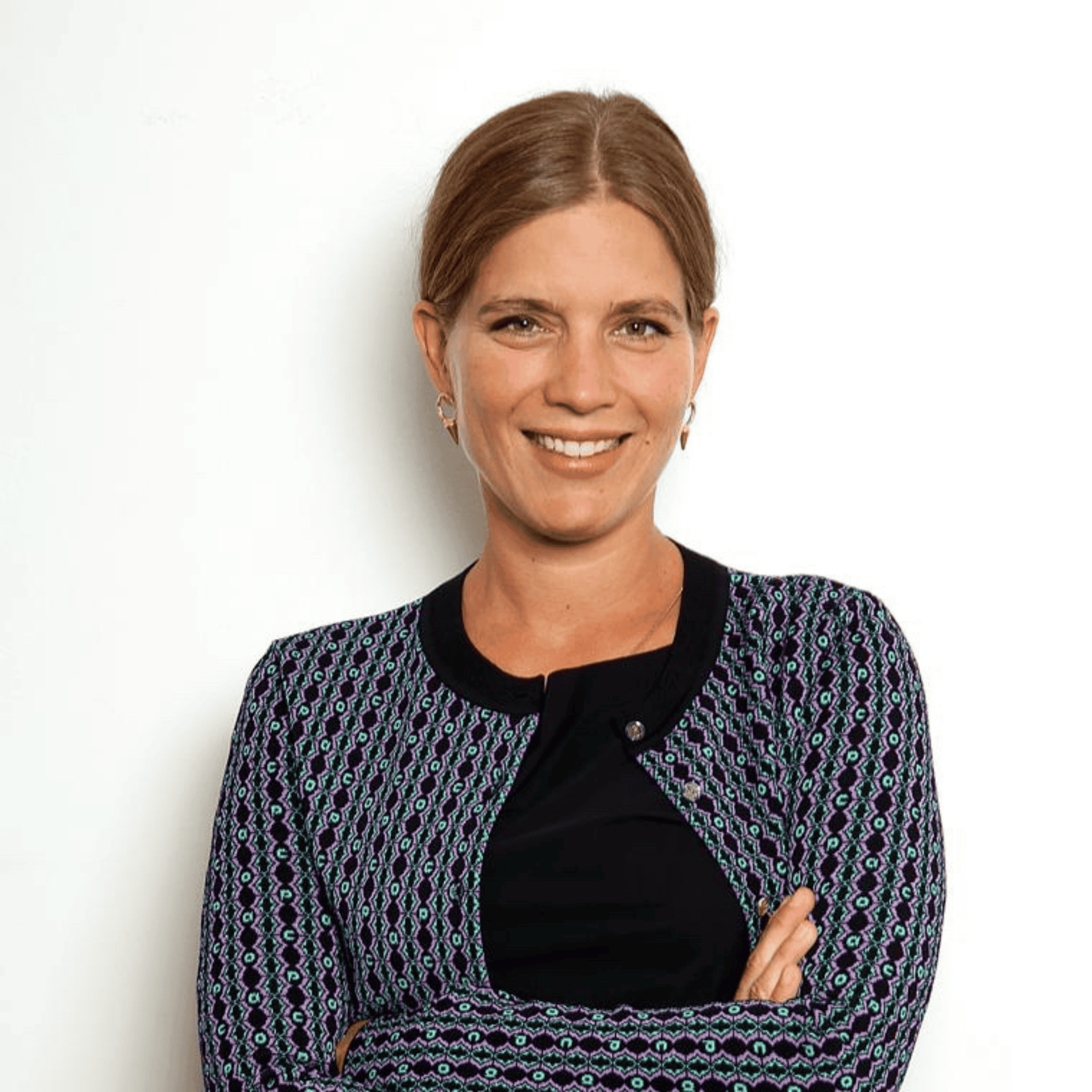
Ms Marionka Pohl, Senior Director of Policy at Seed Global Health, Germany, outlined three priorities needed to translate National Health Compacts into meaningful results.
First, financing must follow national plans. Governments and development partners should map existing domestic and external resources against compact priorities, identifying financing gaps and reduce fragmented or parallel funding arrangements.
Second, global commitments to alignment must translate into practical changes at the country level. Partnerships involving the World Bank, the Global Fund to Fight AIDS, Tuberculosis and Malaria (Global Fund), Gavi and other development partners should strengthen national systems while preserving civil society participation and accountability.
Third, the UHC Knowledge Hub and UHC High-Level Forum should be directly linked to the implementation of National Health Compacts, providing countries with the technical capacities required to deliver their commitments.
Importantly, she stressed that civil society must be represented in compact governance and review mechanisms, ensuring that financing decisions remain transparent and accountable to communities.
Global health reforms must not leave civil society behind
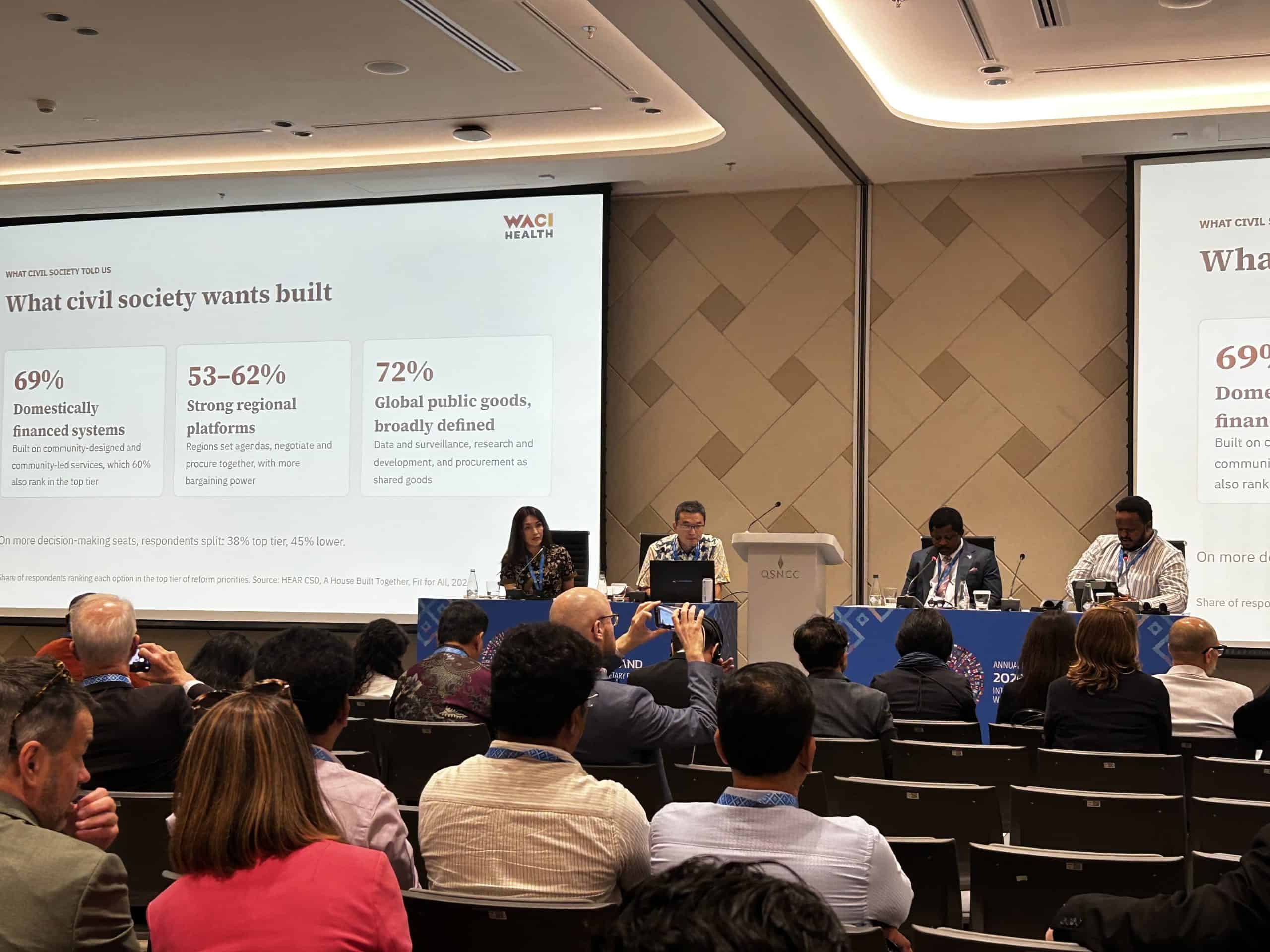
Representing the HEAR CSO initiative, Fitsum Lakew Alemayehu, African Union Liaison Manager, WACI Health, highlighted the growing challenges confronting civil society as the global health architecture undergoes significant challenges.
He presented findings from a global civil society survey involving approximately 285 respondents across more than 70 countries. While 73% of respondents indicated moderate or high readiness to engage in global health architecture reforms, only 8.5% reported having participated in relevant reform processes.
The findings underscored a significant gap between civil society’s willingness to contribute and the opportunities available for meaningful engagement. With development financing for health declining and community-led services facing growing financial pressures, participants emphasised the urgency of protecting community systems during financing transitions.
The Hear CSO initiative called for transparent and inclusive reform processes, predictable financing for community-led services and publicly accessible commitments, budgets and results.
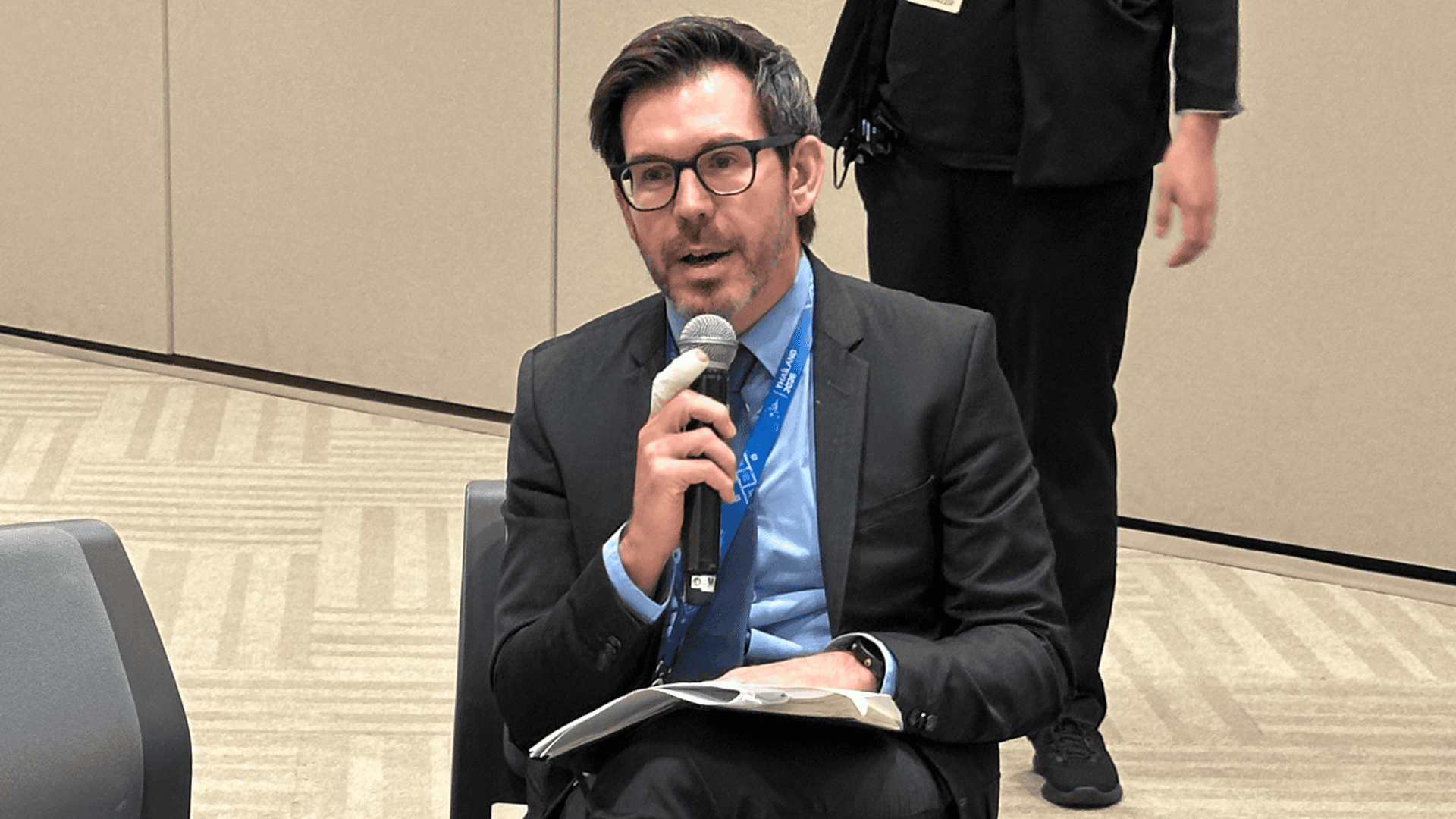
Learning from the Global Fund’s partnership model
Matthew McGregor, Head of the Health Finance Department at the Global Fund, reaffirmed the importance of civil society and community participation in achieving better health outcomes.
He highlighted the Global Fund’s longstanding approach to involving communities in governance, Country Coordinating Mechanisms, programme design, implementation and accountability.
Community-led monitoring was identified as a particularly important mechanism for identifying service delivery gaps, improving quality and ensuring that health investments reach underserved populations.
McGregor emphasised that strengthening government leadership and aligning financing with national priorities should not come at the expense of civil society participation.
Rather, inclusive governance and stronger country systems should reinforce one another.
Building on this intervention, Rachel stressed that the objective is not necessarily to replicate existing participation models across institutions, but to ensure that best practices from existing mechanisms
Moving from commitments to action
During the 2nd Interactive discussion, participants also addressed the importance of integrating mental health and substance-use services into primary healthcare, particularly for marginalised populations and communities affected by conflict.
Participants called for stronger financing and support for community-based mental health services, while Liberia shared its efforts to address substance use through coordinated prevention, treatment and mental health approaches.
Across the event, several priorities emerged for advancing meaningful civil society engagement in Health Works:
-
- Institutionalise civil society participation throughout the development, implementation and monitoring of National Health Compacts, ensuring that affected communities can influence decisions from the outset.
- Strengthen financing transparency and accountability by aligning domestic and external resources with national priorities, publishing commitments and enabling community-led monitoring of results.
- Invest in community systems and meaningful engagement, including dedicated resources, capacity strengthening and accessible mechanisms for participation, while linking the UHC Knowledge Hub more directly to compact implementation.
Health Works must work for people
As countries navigate shrinking development assistance, growing fiscal constraints and increasingly complex health needs, the Health Works Initiative offers an opportunity to strengthen sustainable domestic financing and advance UHC.
However, financing reforms alone will not guarantee equitable health outcomes.
The effectiveness of National Health Compacts will depend on whether they reflect community priorities, protect essential services and establish mechanisms through which governments and development partners remain accountable to the people they serve.
For GFAN Asia-Pacific, the discussions reaffirmed that civil society and communities must be recognised not simply as beneficiaries or implementers, but as essential partners in health governance and financing.
The question is no longer why civil society should be involved, but how meaningful participation can be systematically embedded in decision-making, financing and accountability mechanisms.
As Health Works moves into its next phase, governments, the World Bank and development partners have an opportunity to translate these principles into concrete actions.
Ultimately, the success of Health Works must be measured not only by financing commitments, national plans or the number of people reached, but by whether health systems become more equitable, resilient and responsive to the people who depend on them.
Universal Health Coverage cannot be truly universal without communities at its centre.
PRESENTERS/SPEAKERS:
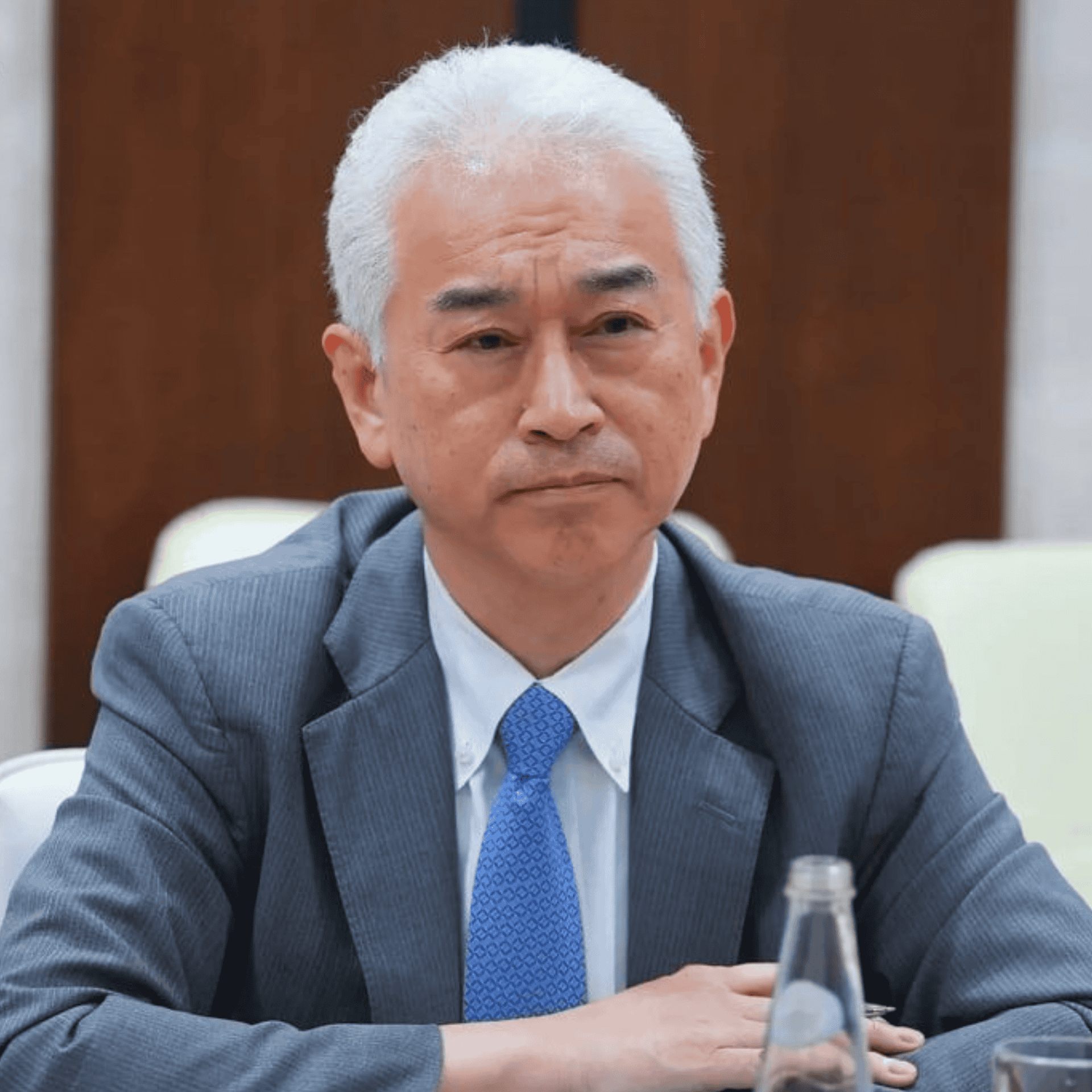
Shuichi Hosoda
Deputy Vice Minister of Finance for International Affairs
Ministry of Finance, Japan
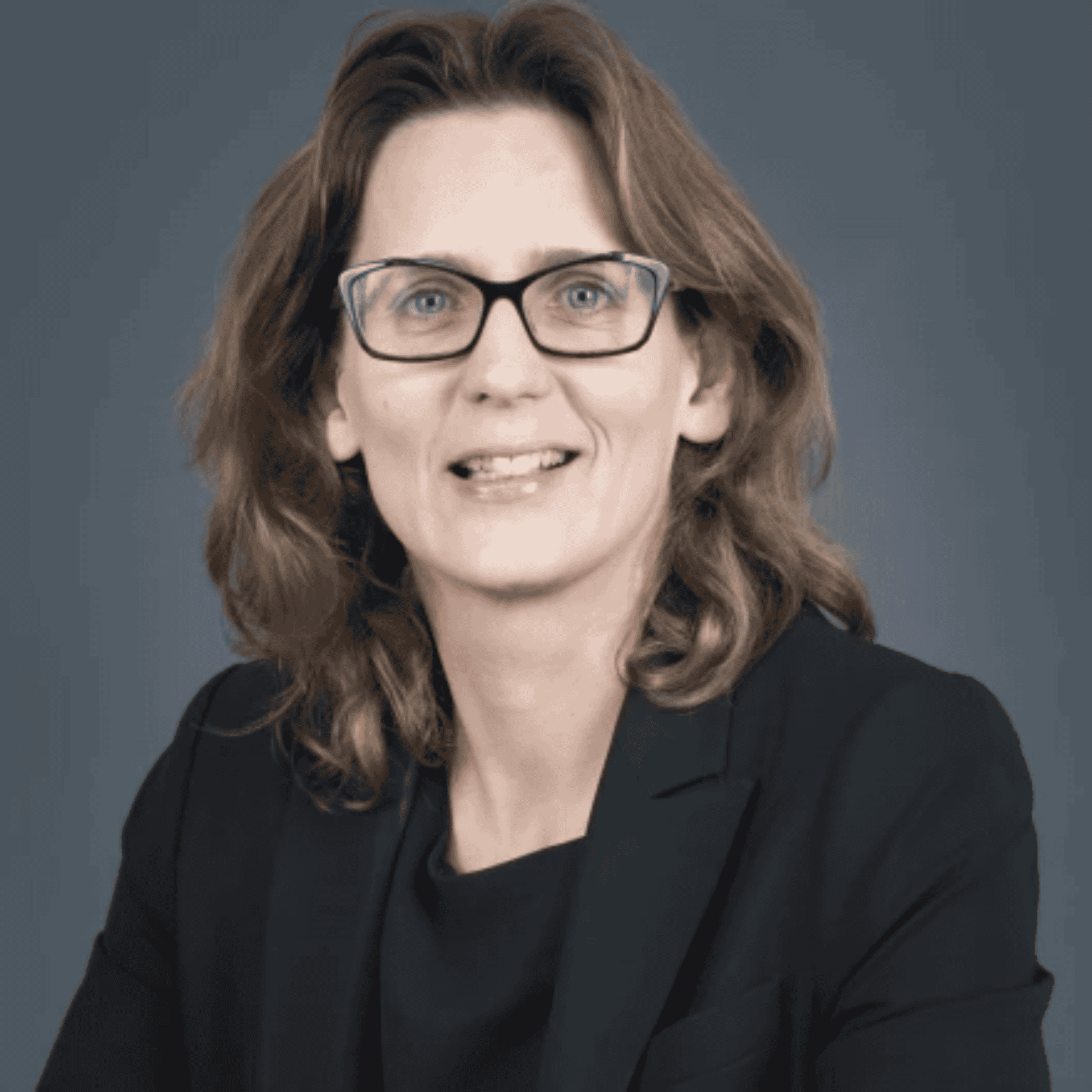
Dr Monique Vledder
Global Director of the Health, Nutrition and Population Unit
World Bank Group

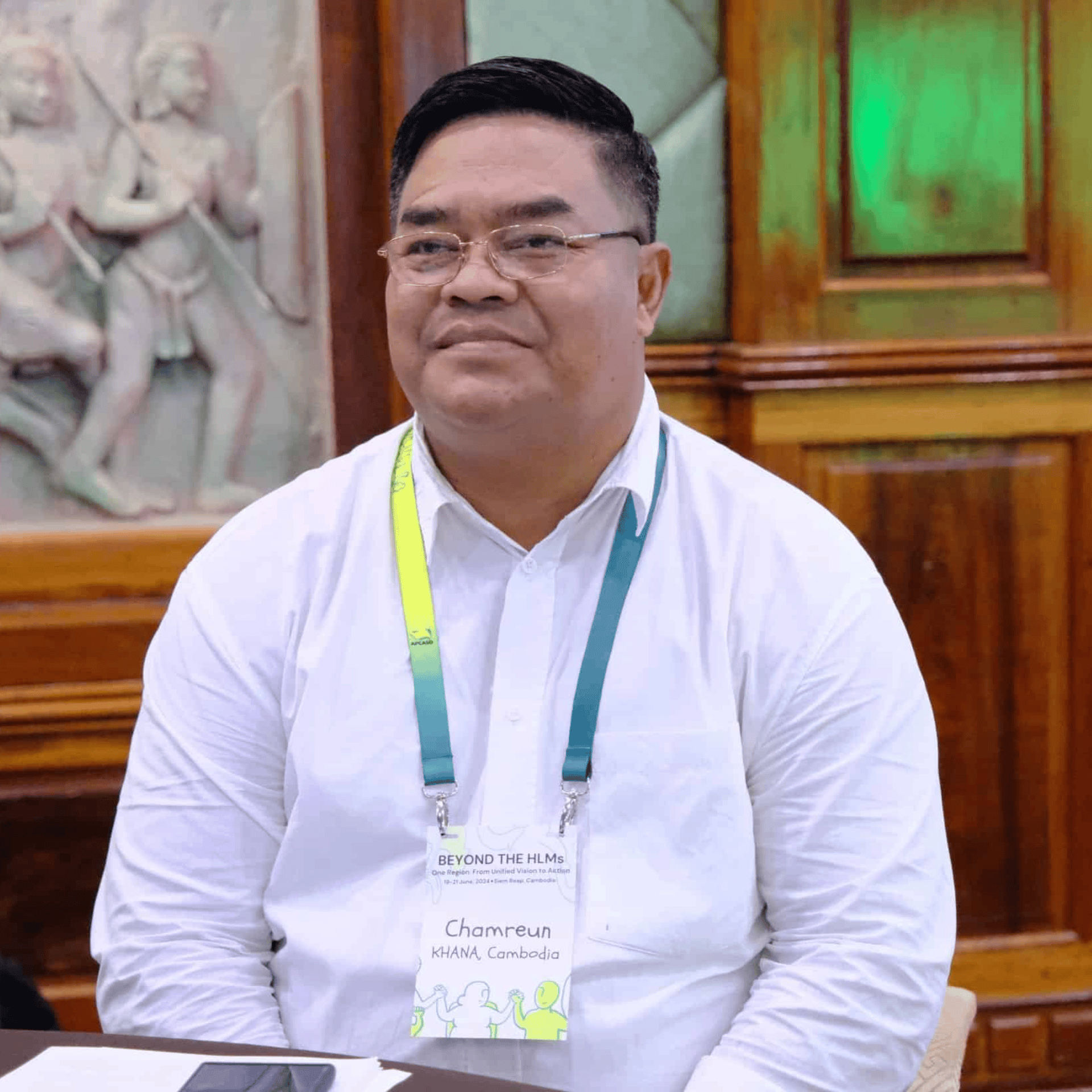

Atty Malayah Tamba Chieyoe
Deputy Minister for Policy, Planning and M&E
Ministry of Health, Republic of Liberia
Marionka Pohl
Senior Director of Policy
Seed Global Health
PRESENTATIONS:
- From Participation to Partnership: Civil Society Engagement in National Health Compacts – Dr Sok Chamreun Choub
- From commitments to country delivery: what partners and governments need to do – Marionka Pohl
- Civil Society and the Transformation of Global health Architecture and Finance – Fitsum Lakew Alemayehu