

The Global Fund Advocates Network Asia-Pacific (GFAN AP) is an advocacy platform of HIV, tuberculosis and malaria community and civil society advocates in the Asia-Pacific region. We support advocacy for a fully resourced Global Fund to Fight AIDS, Tuberculosis and Malaria (Global Fund), increased & sustainable domestic resource mobilisation for health, and equitable, people-centred, human rights-based, & gender transformative inclusion of HIV, TB and malaria responses within Universal Health Coverage (UHC).


What’s New
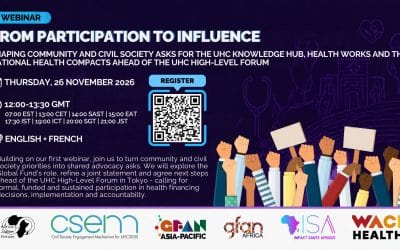
Webinar Part 2 | Health Works for All, Decisions with All: From Participation to Influence
GFAN AP and partners convened communities and civil society to shape advocacy ahead of the UHC High-Level Forum. Carthi Mannikarottu recapped the initiatives and routes for engagement; Matthew MacGregor, Masaki Inaba and Salome DSDL addressed financing, the Tokyo forum and youth leadership. Participants advanced four priorities: meaningful participation, aligned financing, safe transitions and transparent accountability—and called for continued country-level engagement and follow-through.
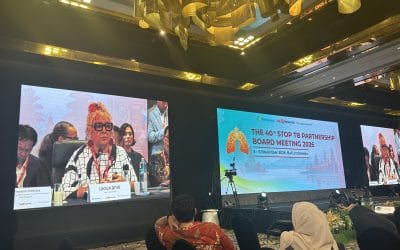
From Prioritisation to Partnership: Mark Edington on Financing the TB Response
At the 40th Stop TB Partnership Board Meeting. Global Fund representative Mark Edington urged stronger prioritization and a broader coalition to finance the TB response as Grant Cycle 8 begins with reduced allocations. His intervention also raises a crucial question: will community and civil society organisations receive the resources and recognition needed to keep services accessible, equitable and accountable?
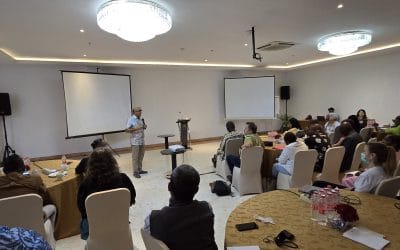
Keeping Communities at the Centre of TB Transition
Global Fund Advocates Network Asia-Pacific (GFAN AP) worked together with Spiritia Foundation and Stop TB Partnership (STBP) in Bali to examine what health financing transitions mean for community-led services and responses—and to turn local experience into practical advocacy priorities. The discussions underscored that transition must protect funding for community advocacy, key populations’ access to essential services, and community-led monitoring, especially as civic space shrinks.

Catch up on "From Participation to Influence" if you missed it . This series was convened 2 refine advocacy asks ahead of the UHC HLF in Tokyo 4 resourced, meaningful community engagement. @GFAN_Africa @WACIHealth @AjfHealth @ImpSanteAfrique @CSOs4UHC
At 40th @StopTB Board Meeting. @GlobalFund Mark Edington urged stronger prioritization & broader coalition to finance TB response & asks will community & CS orgs receive resources and recognition needed 2 keep services accessible, equitable & accountable?