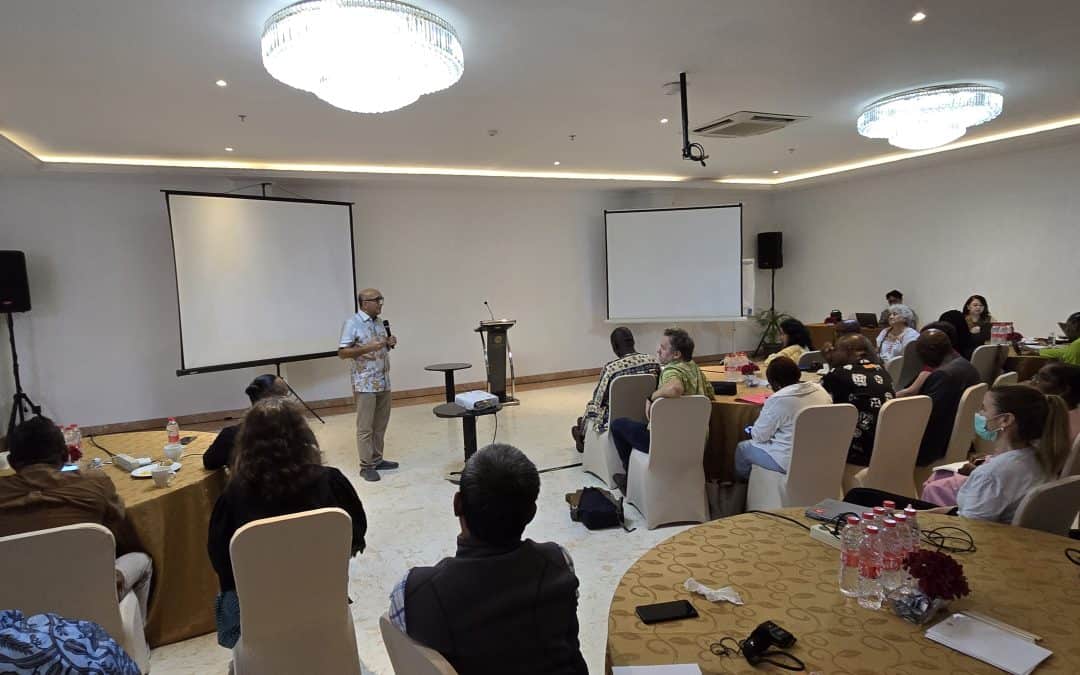
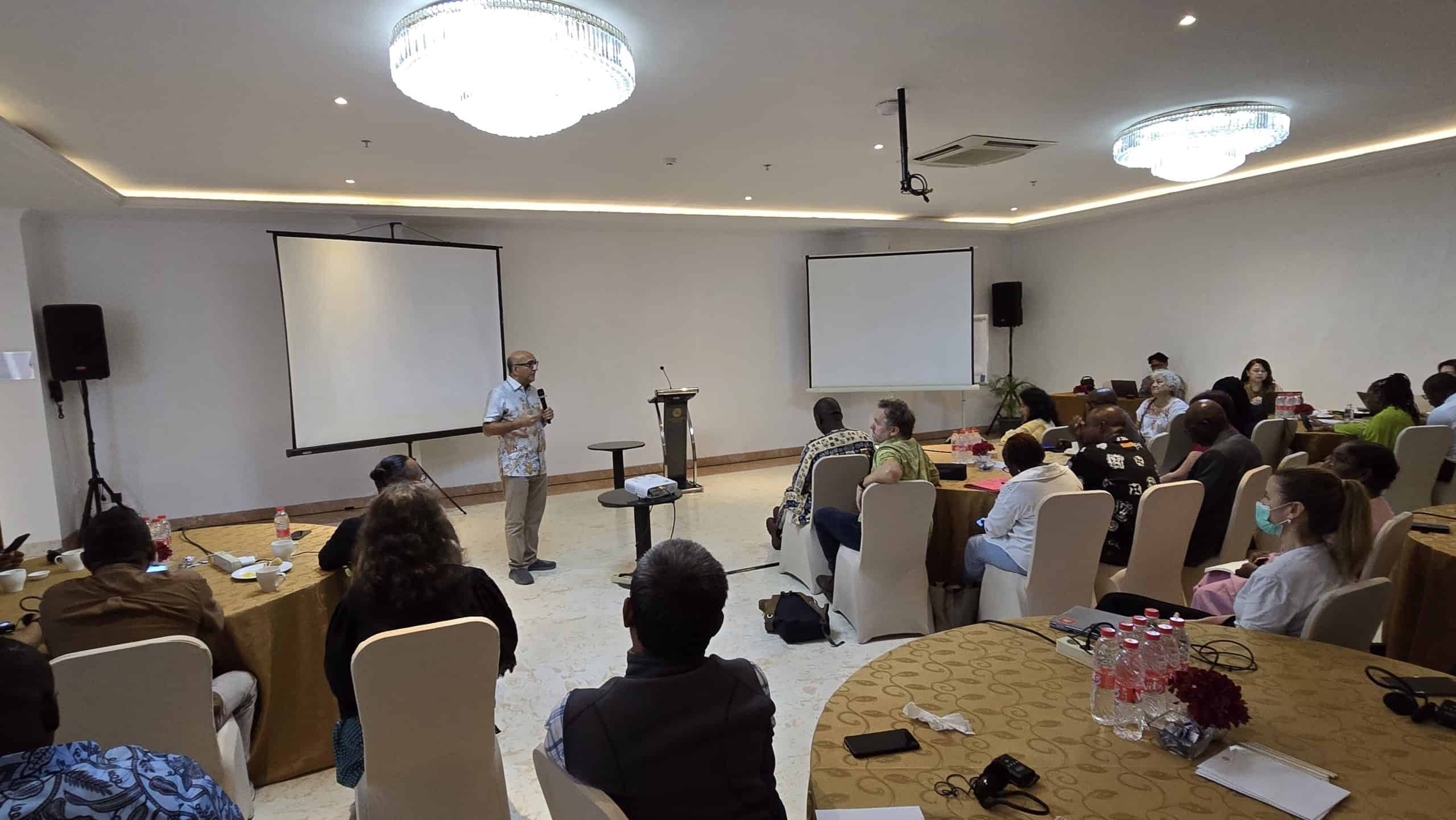
Global Fund Advocates Network Asia-Pacific (GFAN AP) worked together with Spiritia Foundation and Stop TB Partnership (STBP) in Bali to examine what health financing transitions mean for community-led services and responses—and to turn local experience into practical advocacy priorities. The discussions underscored that transition must protect funding for community advocacy, key populations’ access to essential services, and community-led monitoring, especially as civic space shrinks.
As global health funding tightens, countries are being asked to take greater responsibility for financing and managing their health programmes – including HIV, TB and malaria programmes. But a transition is only sustainable if people can continue to reach essential services and community organisations have the resources to deliver them. As external funding declines, community organisations can also lose the resources that enable them to organise, advocate, document rights violations and hold decision-makers accountable. When civi space is shrinking, reduced advocacy funding can further limit communities’ ability to organise themselves, speak, participate and influence the policies that affect their health.
That challenge was at the heart of two discussions held in Bali on 3 November 2026, prior to the Stop TB Partnership Board Meeting. Spiritia Foundation supported the connection between Indonesian civil society with international TB leaders with GFAN AP and STBP and brought regional transition concerns into the conversations.
Bringing local experience into global discussions
In the meeting between Indonesian civil society and Stop TB Partnership Board delegations, community and civil society organisations described the practical pressures they face as external funding changes. Participants spoke about the gap between the national commitments to end TB and the limited, difficult-to-access funding available to sustain community-led work.
One example raised was a social contracting allocation reported to be around US$14,000 a year for approximately 100 organisations across HIV, TB and malaria. Participants said that this model, and its emphasis on small individual incentives, cannot provide the predictable organisational support need to retain staff, build capacity and maintain services. They also warned that local advocacy for disease-specific budgets had produced few results. This shortfall matters beyond service delivery: when grants for community engagement and advocacy are reduced, communities and civil society has less capacity to make the case for sustainable domestic financing, monitor commitments and keep affected communities represented.
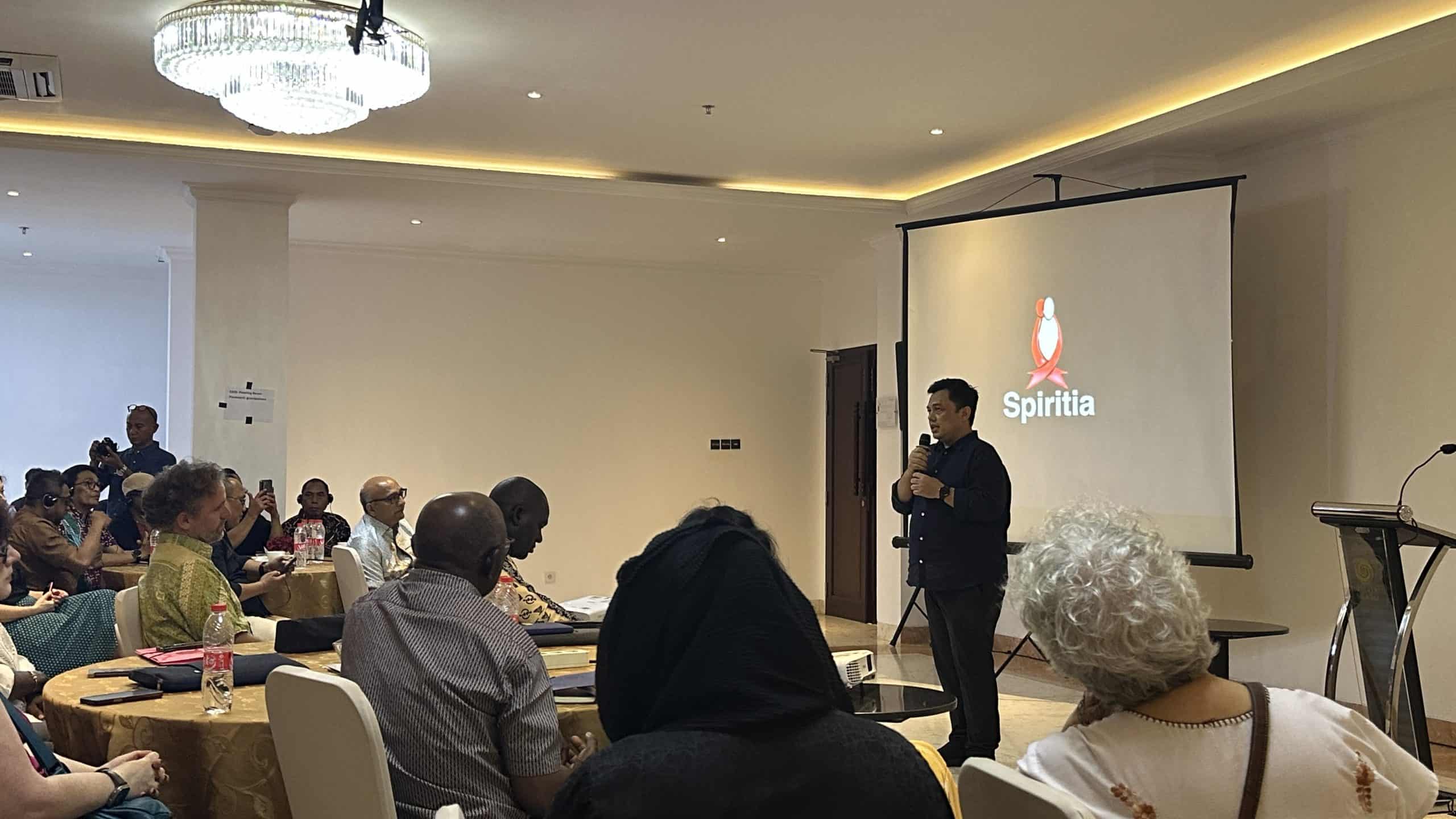
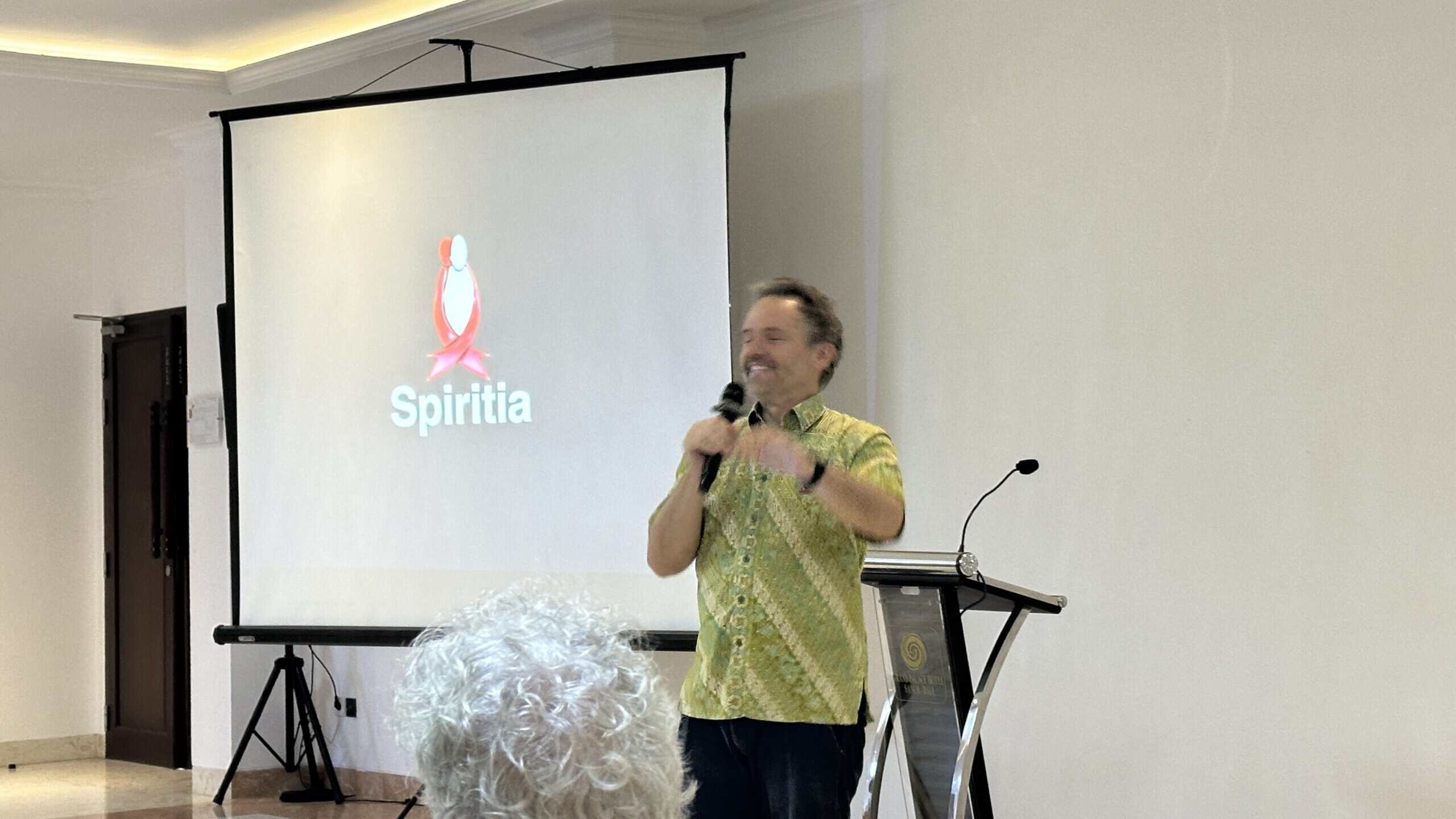
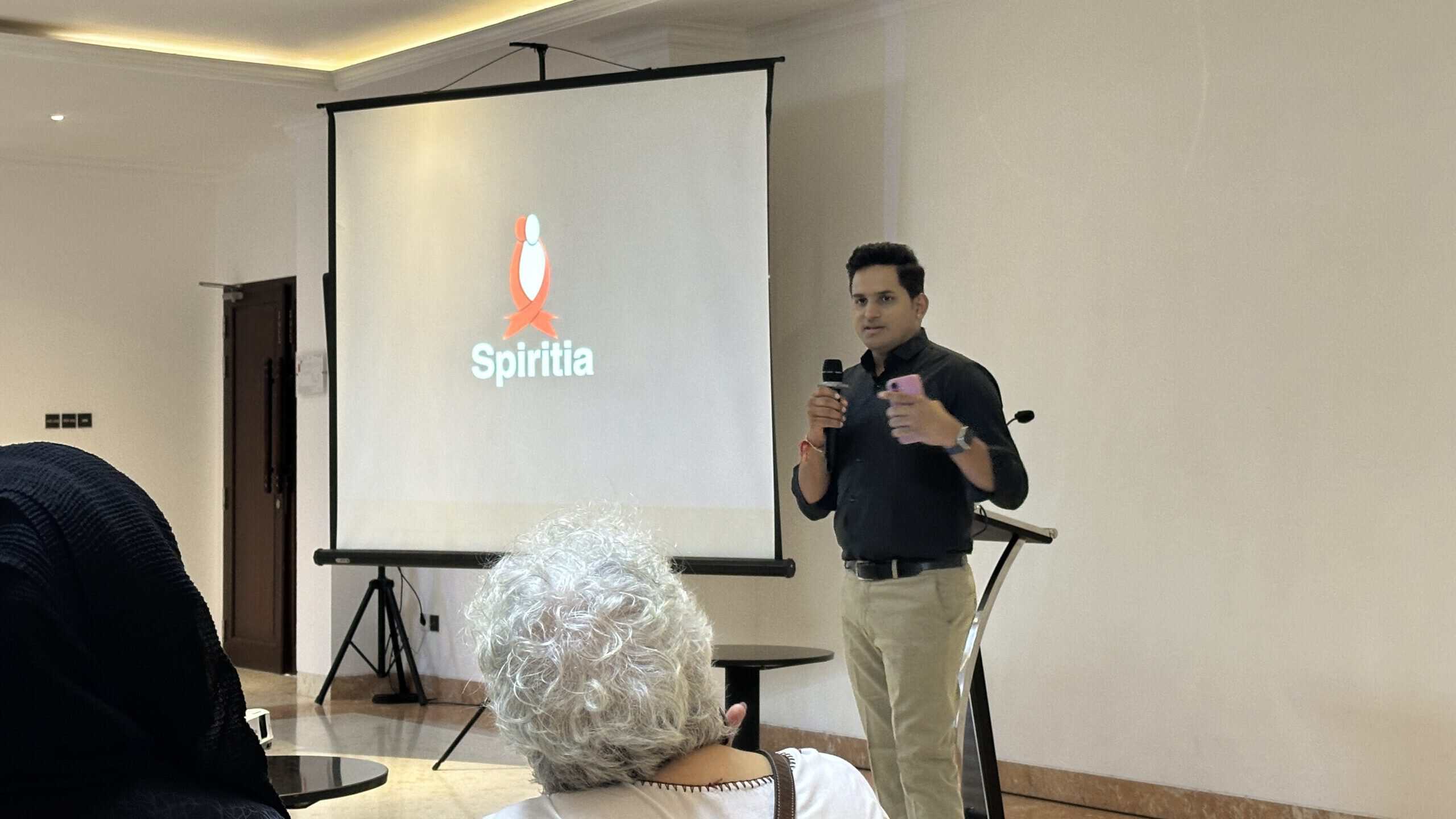
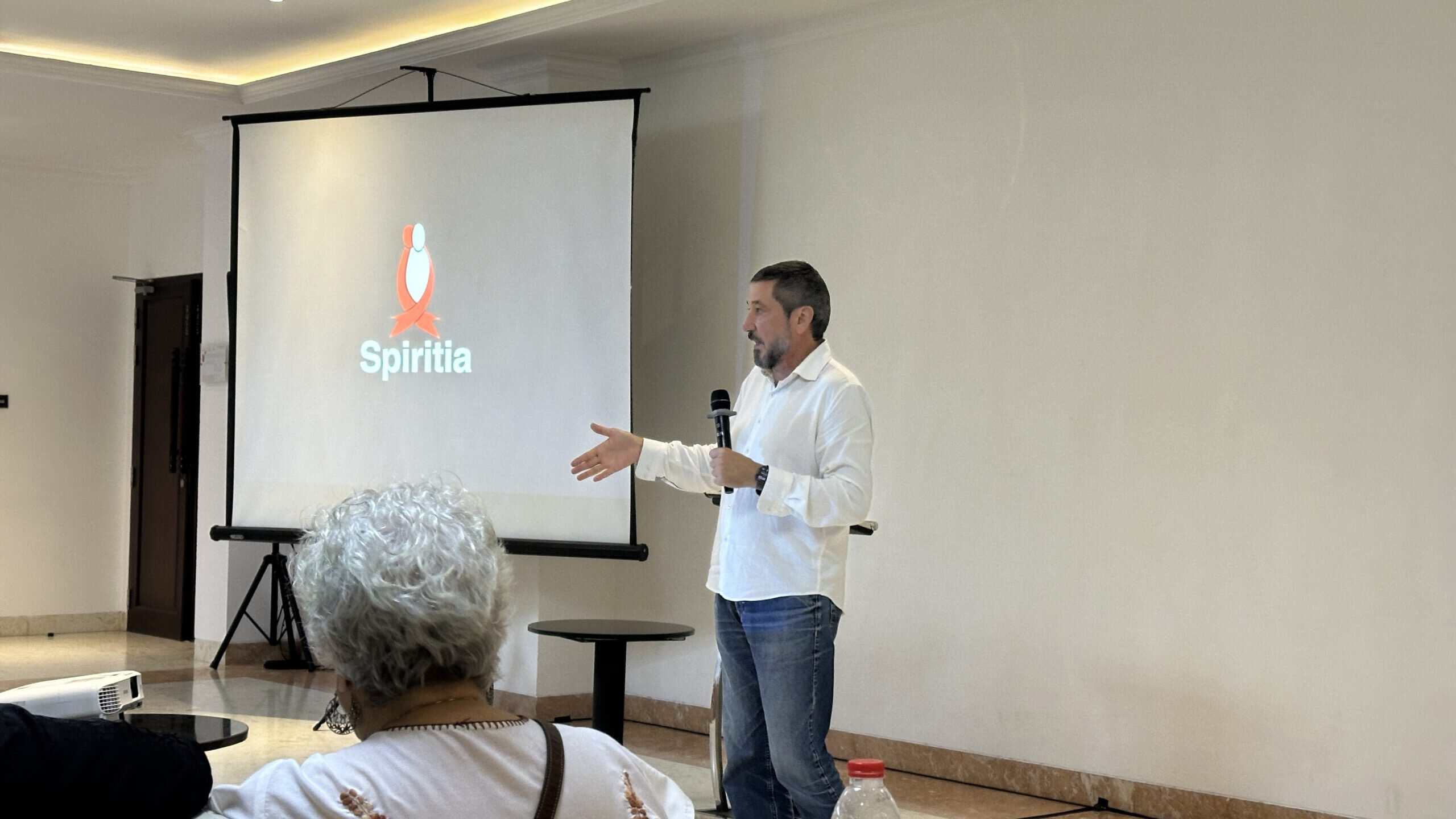
Welcoming participants to Bali, Daniel Marguari, Executive Director of Spiritia Foundation thanked the international delegates for joining Indonesian community representatives. He described the gathering as a chance to bring local and global perspectives together on TB and civil society at a time when the shift from donor to domestic financing was creating serious sustainability challenges.
Voices from the Session
James Malar, Community Engagement, Capacity Building and Stigma Reduction Coordinator of STBP thanked the Indonesian hosts for bringing global partners together with people working on the ground and urged community and civil society delegates on the STBP Board to hear both the challenges and opportunities in the local response, and to identify together what should be prioritised. Global TB discussions, he emphasised, need to connect with the realities of the country where the work is taking place.
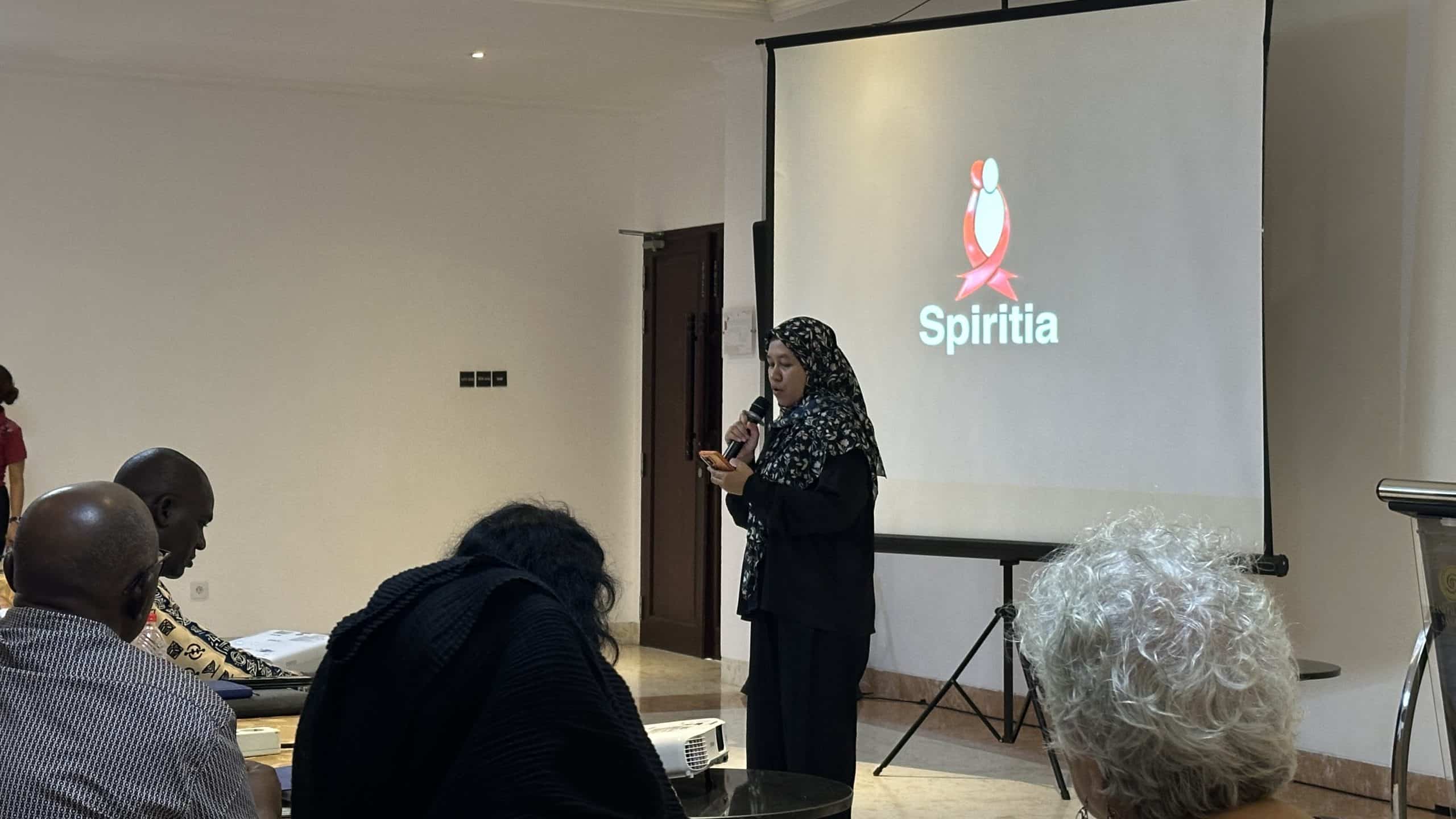
Ani Hernasari, Chair of Rekat Peduli Indonesia Foundation spoke as a TB survivor and representative of people affected by TB in Indonesia, Ani described the importance of community networks and the opportunity to connect local and global partners. She recognised Indonesia’s strong political commitment to TB, while warning that this does not automatically ensure funding reaches community organisations. She said reduced Global Fund support was already weakening community engagement and called for transition plans that communities can understand and meaningful contribute towards shaping.
Aman Shukla, Founder and Global Lead of YOUNITE and stressed that vulnerable and marginalised populations are often missed by TB programmes. The response he said, must recognise the diversity of people affected and make services equitable and accessible to those most at risk.
Olya Klymenko, Executive Director at CO TBPeople (Global Network People affected by tuberculosis) spoke from the perspective of TB-affected communities, Olya highlighted three priorities: continued support for the Challenge Facility for Civil Society; sustained community-led monitoring, and investment in community capacity and information. Community-generated data, she stressed, gives people evidence to raise concerns and make their needs visible.
Deliana Garcia, the Americas Regional Manager for the Global TB Caucus described the Developed Country NGO Constituency on the STBP Board as standing in solidarity with community organisations. TB progress depends on the work of civil society and funding transitions must include continuity for that work and the organisations carrying it out.
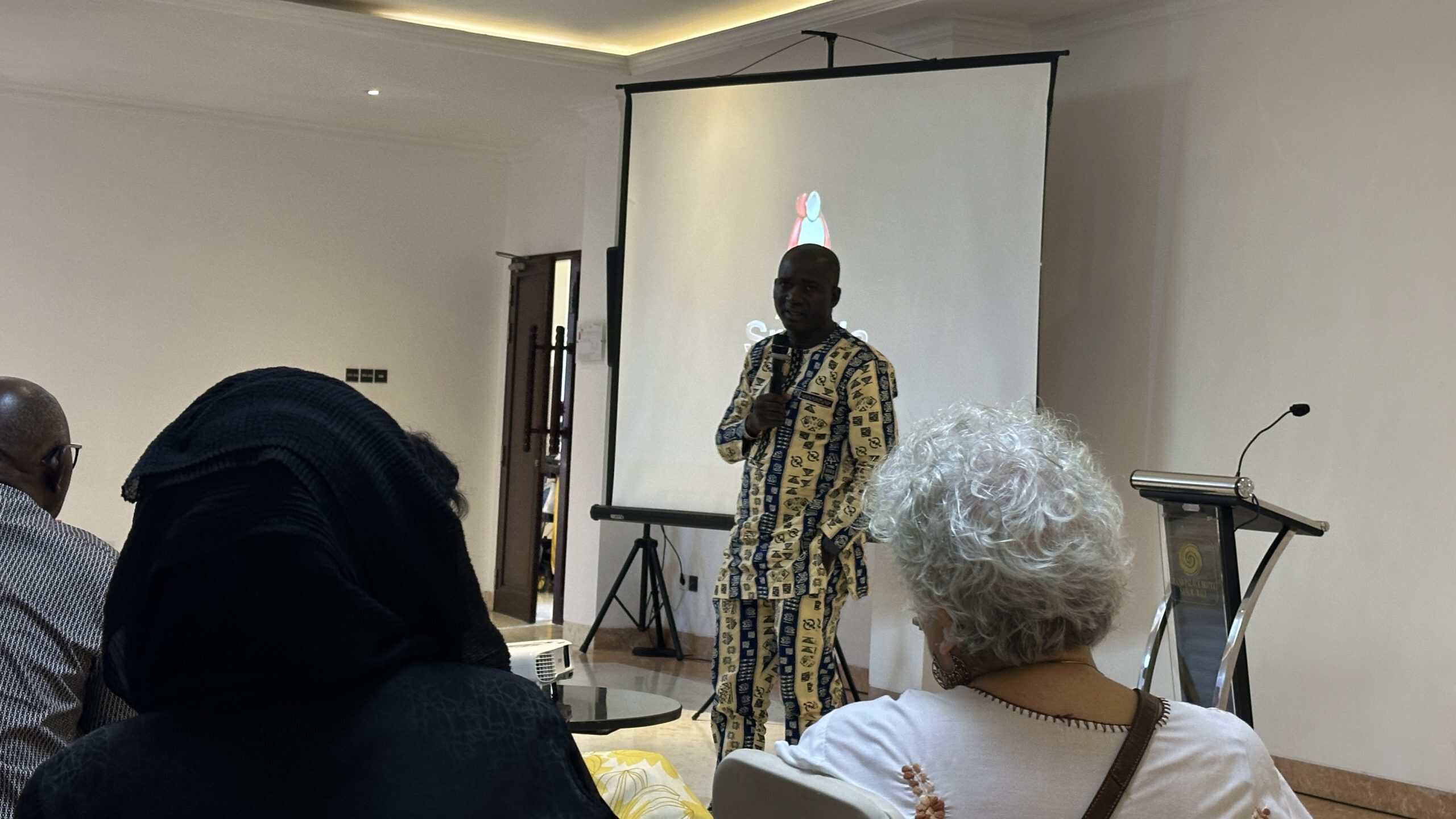
Mayowa Joel, Executive Secretary of STBP Nigeria described an advocacy approach focused on mobilising domestic resources for TB. The effort has engaged the First Lady and state-level champions, worked with parliamentarian, and encouraged private-sector support, while recognising in-kind contributions and public awareness as part of resource mobilisation. Mayowa also outlined a proposal to expand the national AIDS agency’s remit to include TB and establish a dedicated trust fund linked to 1% of consolidated revenue. The proposal is still being pursued; the intervention stressed that sustained advocacy and continued support for civil society and communities are needed to turn such ideas into lasting financing.
The discussion made clear that transition plans must account for the role communities and civil society already plays: reaching people missed by mainstream services, supporting treatment and prevention, and bringing community evidence to decision-makers. Participants also highlighted the need to include key and vulnerable groups—such as mine workers—in TB responses,, and to protect community monitoring and the capacity of affected communities. For people affected by TB, HIV and malaria, transition must preserve practical access to essential, acceptable and non-discriminatory services, including peer support and outreach. Community-led monitoring must also continue, with adequate and predictable funding, so communities can identify service barriers, generate real-time evidence and help hold programmes accountable.
Making transition policy understandable and actionable
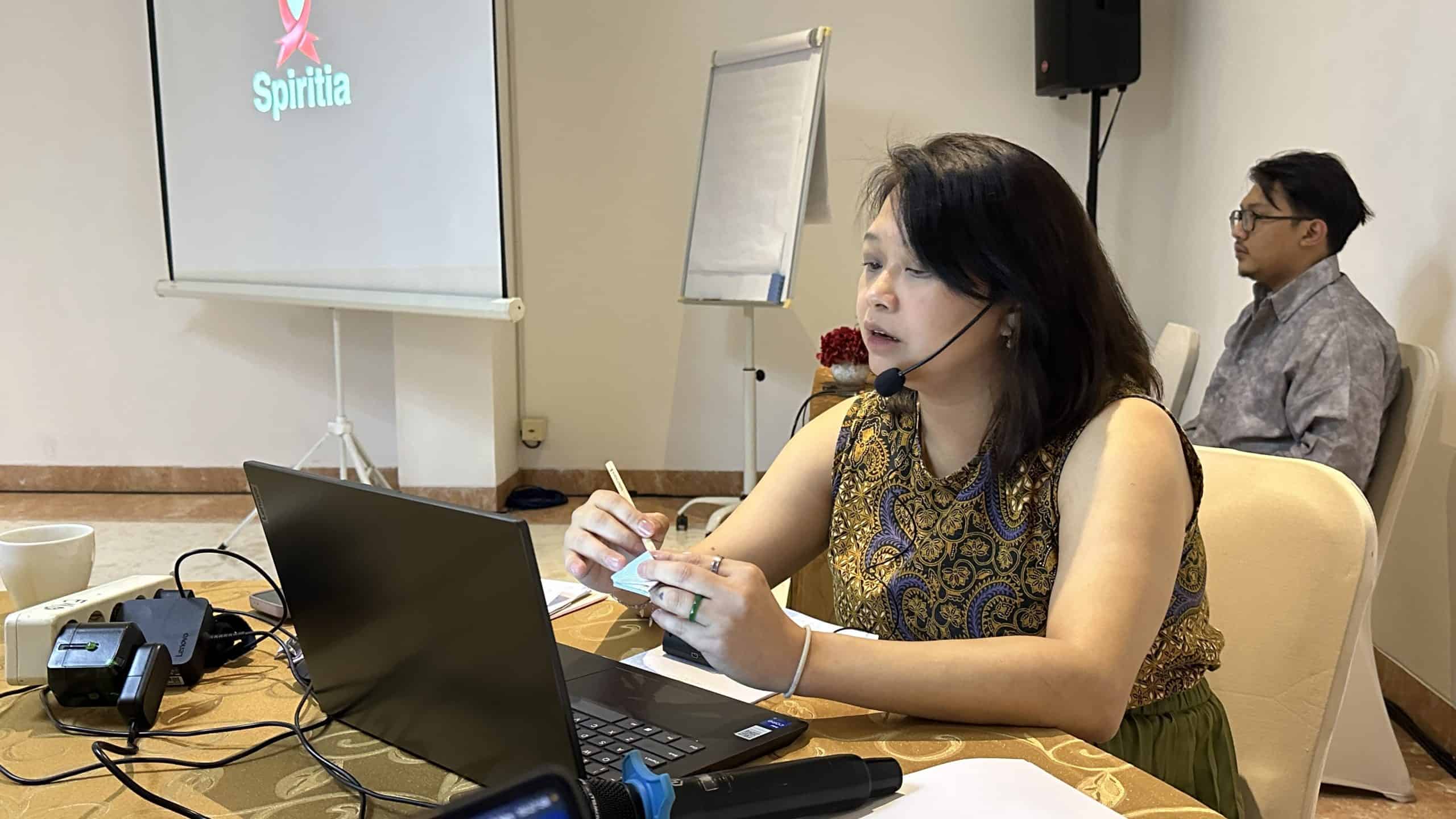
A second session focused on the Global Fund’s transition policy and its implications for TB programmes. GFAN AP Regional Coordinator Rachel Ong guided participants through the relevant policy architecture— including the Eligibility Policy, Allocation Methodology and Sustainability, Transition and Co-financing (STC) Policy—and connected these rules to the choices countries face as donor financing changes. Eligibility determines which countries can access Global Fund support; the allocation methodology distributes funds raised through the Global Fund’s three-year replenishment cycles among eligible countries. Eligibility does not guarantee a particular grant amount: allocations depend on available resources and the methodology. The STC Policy addresses how services should continue as financing changes and sets expectations for sustainability, transition and domestic contributions.
Rachel pointed participants to their country allocation letters as a practical advocacy tool. The letters set out grant funding and country requirements, including co-financing commitments. They can help civil society identify what the grant supports, which domestic commitments are expected, and what may need funding from other sources. She also noted that national eligibility or disease-burden indicators do not, by themselves, show whether every community can access services.
The presentation framed transition as the process through which a country takes full financial and managerial responsibility for a disease programme, independently of Global Fund support. A useful country plan should describe the pathway, costs and funding, workplan, implementation and review. Advocates can use it to identify which services may no longer be covered by a grant and gaps in future financing, staffing, supplies and service delivery. The discussion returned to four questions: who will be affected, what will change for people seeking services, who will pay, and when will replacement funding be available?
Participants used Indonesia to illustrate why commodity timelines must be matched by plans for community services. They cited a commitment for Global Fund commodity funding to end in 2029, while warning that there was no equally clear commitment to sustain civil society organisations and community systems. A responsible transition therefore needs explicit, time-bound plans and budgets for community-led services, advocacy and monitoring.
The sessions also examined social contracting as one possible route for domestic financing, while cautioning that it is not a standalone solution. For contracting to work, governments need sufficient fiscal space, clear service packages and realistic costing. Funding must cover the full value of community work, including outreach, peer support, advocacy and monitoring, rather than only narrow service outputs. Community and civil society organisations need to shape decisions—not after plans have already been made. That participation also depends on civil space: communities need the freedom and resources to organise, raise concerns and scrutinise whether commitments are being met.
Participants further emphasised that integration should improve coordination without erasing distinct needs, expertise and lived experiences of people affected by TB and other diseases. Key populations must not be lost in generic or integrated models: services should remain reachable, trusted and responsive to their circumstances, with human rights protections in place. Community infrastructure, adequately funded community-led monitoring and disease-specific accountability remain essential to an effective transition.
From discussion to continued advocacy
Across both sessions, the message was consistent: countries need transition plans that recognise communities as essential partners in the response and make their sustainability visible in budgets, service arrangements and accountability systems. This includes protecting funding for community advocacy and participation as external financing decisions, and defending the civic space communities need to organise, speak freely and monitor services.
GFAN AP will continue to support country-level advocacy on transition and community and civiil society sustainability, and to connect community experience with regional and global policy discussions. The conversations in Bali were an important step in that work—bringing voices from Indonesia into dialogue with global partners and identifying practical areas for continued collaboration with STBP and civil society.
A successful transition is not measured only by whether a donor exits. It is measured by whether key and vulnerable populations can continue to access essential services without discrimination; whether community-led monitoring and advocacy are sustained; whether civil society can operate and speak safely; and whether the organisations that make these services possible can continue their work.
PRESENTATION: