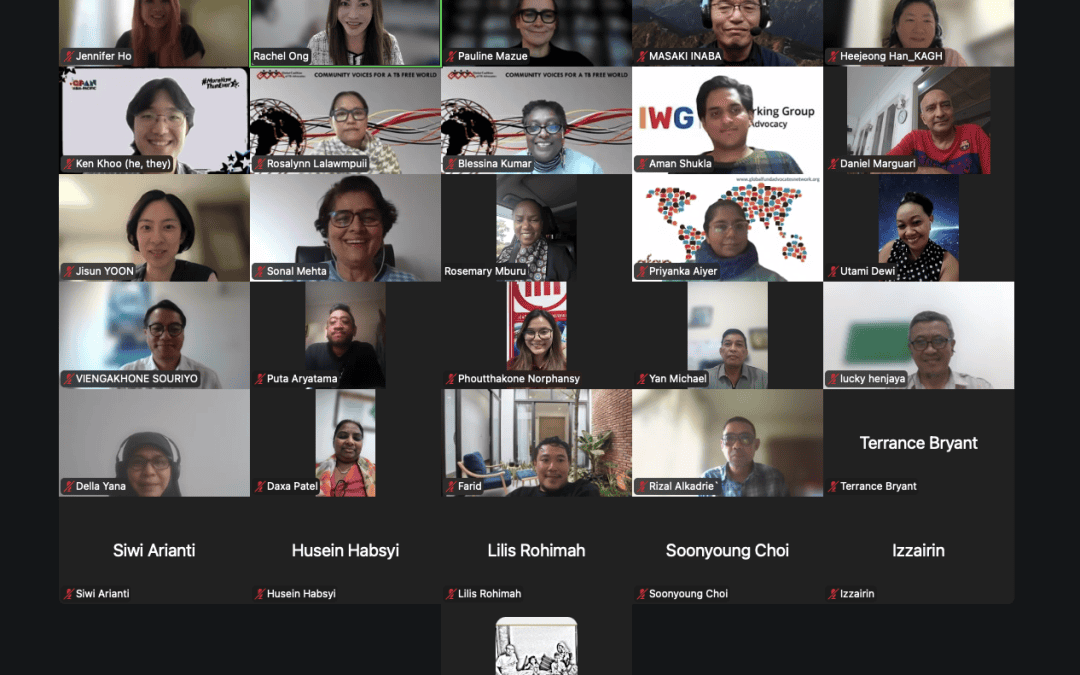
The Global Fund Advocates Network Asia-Pacific (GFAN AP) hosted our sixth quarterly webinar on 15 December 2025 to provide partners and stakeholders updates on recent GFAN AP activities. Discussions centred on three main topics:
- Key outcomes from the Global Fund Eighth Replenishment Summit;
- Reflections and insights from GFAN AP partners on the Eighth Replenishment engagement; and
- GFAN AP’s thematic focuses & planned engagements for 2026.
The call was attended by approximately 30 participants and opened with introductions and welcome remarks by Jennifer Ho (Operations and Programmes Manager, GFAN AP).
1. Key outcomes from the Global Fund Eighth Replenishment Summit
Lady Roslyn Morauta (Chair, Global Fund Board) delivered welcoming remarks, expressing gratitude to GFAN AP and Asia-Pacific partners for the “More Now Than Ever” campaign efforts and Eighth Replenishment advocacy milestones. Lady Roslyn also recognised Indonesia’s stronger role as a donor and noted personal thanks to Ani Herna Sari for sharing her story as part of the Global Fund’s fabric activation campaign.
The Replenishment Summit outcome of US$11.34 billion is a “remarkable collective achievement” achieved despite a difficult global context of fiscal tightening and geopolitical fragmentation. However, there is a risk of declining external financing for HIV, TB, and malaria in many countries, and 2026 will require a sharper focus on protecting community-led services
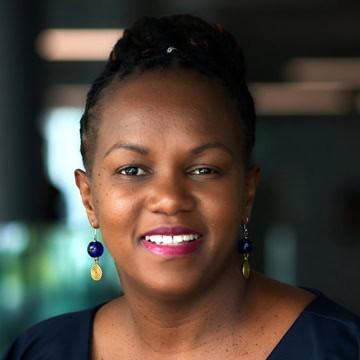
Pauline Mazue (Advocacy Specialist, Global Fund) continued with an update on the status of the Eighth Replenishment.
- As of the call, the total stands at US$11.86 billion, inclusive of the most recent pledge from Japan.
- While the Summit is over, the rolling replenishment campaign is continuing to secure additional pledges by late January 2026, in time for February board meeting allocations.
- 80% of funds come from G20 countries, while the private sector has increased its share to 11% (totaling US$1.34 billion).
- The Republic of Korea (ROK) achieved a remarkable milestone, securing a spot on the donor constituency on the Global Fund Board, the first new addition since 2006.
- A number of major donors, including France, the European Commission (EC), Sweden, and the Gulf countries have yet to announce their pledge.
2. Reflections and insights from GFAN AP partners
Priyanka Aiyer (Communications and Advocacy Officer, GFAN) presented on behalf of Global Fund Advocates Network:
- The GFAN Global Pledge Tracker tracks publicly announced pledges, currently a total of US$10.6 billion, with the slight discrepancy with the Global Fund’s announcement of US$11.86 billion due to funds coming from “others”.
- The amount raised during the Replenishment Summit is below what was expected, hence advocacy efforts must continue.
- GFAN has released an animated video highlighting “smart solidarity” to engage Gulf State donors, as well as Universal Health Coverage (UHC) Day materials targeting France, the EC and Sweden.
Rosemary Mburu (Executive Director, WACI Health) presented on behalf of GFAN Africa:
- The collaboration between the Asia-Pacific and Africa regions was valuable in bringing together implementing country perspectives and uniting community voices.
- We must continue to mobilise and collaborate to secure the “missing pledges”.
- The decrease in implementing country pledges in the Eighth Replenishment could be attributed to significant domestic resource challenges and service disruptions due to the “stop work order”.
- Identified opportunities to position the Global Fund as a partner in pathways toward sustainability and universal health coverage.
- The Global Fund is well-positioned as a partner to implementing countries on pathways towards sustainability and UHC.
Masaki Inaba (Co-chair & International Programme Director, Africa Japan Forum) presented on behalf of Africa Japan Forum:
- Japan’s pledge of JPY 81 billion (approximately US$512 million) represents a significant and unfortunate 52% reduction compared to its Seventh Replenishment commitment.
- Reasons for the cut could include a weaker Yen (though only accounting for a 28% drop), growing public opinion against official development assistance (ODA), and policy shifts from foreign aid to foreign investments and from global interests to national interests.
- While Japan is unlikely to increase its pledge in the short term, advocacy is needed to demonstrate that the current amount is not sufficient to achieve the health targets set forth, which could allow room for a top-up pledge later on.
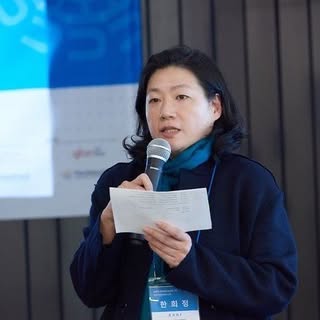
Heejeong Han (CEO, Korean Advocates for Global Health) presented on behalf of Korean Advocates for Global Health:
- ROK’s contribution to the Global Fund has grown steadily, with a significant increase during the Seventh Replenishment due to increased awareness of global health solidarity, global leadership, and commitment to meet ODA targets.
- ROK maintained its pledge of US$100 million for the Eighth Replenishment despite cuts to the 2026 foreign affairs and ODA budget of 10% and 22%, respectively.
- Upcoming advocacy will focus on ROK’s new five-year ODA strategy and its role as the host of the G20 in 2028.
Daniel Marguari (CEO, Spiritia Foundation) presented on behalf of Spiritia Foundation:
- Indonesia is working on a pledge proposal, though details on the amount and announcement date are yet to be finalised.
- In-country advocacy has focused on engaging with stakeholders in the government and Ministry of Health as well as the private sector.
- Several ASEAN countries, including Indonesia, Thailand, and the Philippines, may be on the transition list for GC8, necessitating a stronger focus on Debt2Health mechanisms and targeted investments into community resilience.
Aman Shukla (Chair, YOUNITE Global) presented on behalf of India Working Group for Health Advocacy:
- India’s pledge of US$30 million represents a 20% increase over its previous pledge.
- Activities this year have focused on engaging with corporate social responsibility (CSR) private sector partners, supporting advocacy letter sign-ons, disseminating an India Investment Case document, and mobilising youth voices.
- Upcoming advocacy will focus on deepening existing engagements while also pushing for India’s health investment to reach a minimum of 5% of GDP.
3. GFAN AP’s 2026 Priority Areas & Closing
Rachel Ong (Regional Coordinator, GFAN AP) expressed deep appreciation to all partners for their continued solidarity, collaboration, and commitment during this busy replenishment year, and provided a quick outline of GFAN AP’s priorities in 2026:
- Addressing the funding gaps left by USAID cuts through a regional survey;
- Strengthening focus on innovative financing mechanisms (e.g.Debt2Health, social contracting, airline levies) and domestic resource mobilisation; and
- Renewing GFAN AP’s five-year strategy.
The session concluded with closing remarks by Blessina Kumar (Chair, GFAN AP Steering Committee and CEO, Global Coalition of TB Advocates), who emphasised the importance of partnership in our collective fight and commended the powerful presence of young people and regional champions on the global stage.
PRESENTERS:

Lady Roslyn Morauta
Board Chair, The Global Fund

Pauline Mazue
Advocacy Specialist, The Global Fund


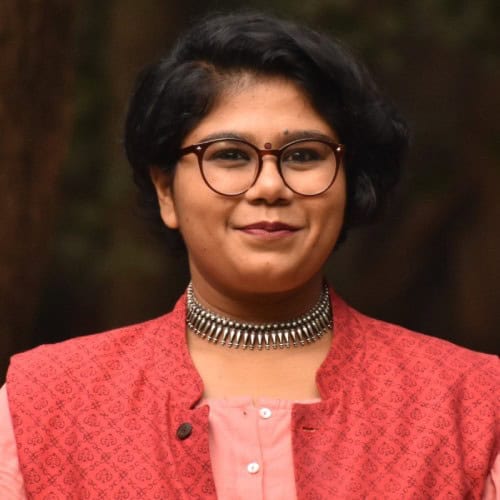
Priyanka Aiyer
Communications & Advocacy Officer, Global Fund Advocates Network
PRESENTATIONS:
-
- 8R Summit Debrief. Presenter: Pauline Mazue, The Global Fund.
- GFAN Opinions on Debrief. Presenter: Priyanka Aiyer, Global Fund Advocates Network.
- Japan and the Global Fund. Presenter: Masaki Inaba, Africa Japan Forum.
- Pledging Summit Debrief. Presenter: Heejeong Han, Korean Advocates for Global Health.
- IWG Progress Update. Presenter: Aman Shukla, India Working Group for Health Advocacy.